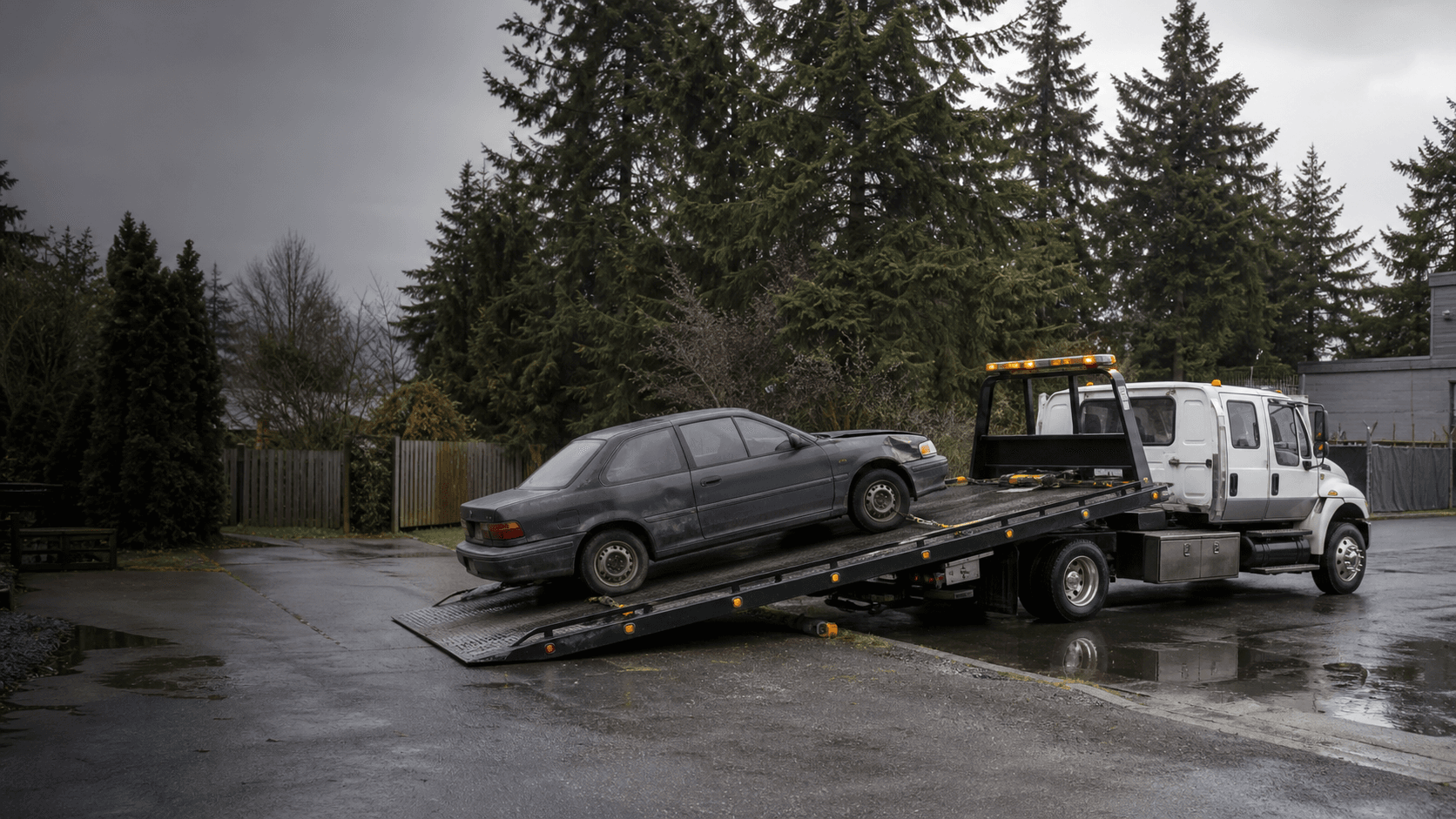
A low-value car can still attract high-pressure scams because sellers want it gone quickly. The most dangerous messages often create urgency around payment, a remote buyer, a third-party shipper, or a code supposedly needed to prove you are real.
Slow down whenever the buyer asks you to send money, share a security code, or release the title before payment is independently verified.
QUICK ANSWER
Never refund an overpayment, never share a verification code, verify payment through your own bank or payment account, confirm the buyer's legal identity, and do not release the signed ownership documents until the agreed transaction is complete.
01
Recognize the fake-check overpayment
The FTC warns online car sellers about buyers who send a check for more than the price and ask the seller to refund the difference or pay a shipper. The deposit may appear in your balance before the bank identifies the check as fake.
Do not send the difference, buy gift cards, wire money, or send cryptocurrency. A buyer who truly overpaid can cancel and issue a correct payment through a verified channel.
02
Protect your accounts and identity
A buyer does not need a Google Voice, bank, email, or marketplace verification code to purchase your vehicle. Treat every one-time code as private.
Use contact information you can verify. Be suspicious of a buyer who refuses all normal identification, cannot explain who is picking up the car, or sends links that imitate a bank or escrow service.
03
Make payment and towing terms explicit
Before signing, confirm the exact offer, payment method, when payment becomes final, who pays towing, and what conditions can change the offer. Do not pay an unexpected dispatch, release, storage, or processing fee to an unknown party.
If using an escrow or online payment service, navigate to its official site yourself instead of using a buyer-supplied link.
04
Close the ownership loop
Write down the buyer's name and address, VIN, date, price, and pickup company. Keep copies of the released title, bill of sale, and payment confirmation.
Notify Oregon DMV of the sale within 10 days. That record matters if the buyer delays title transfer, abandons the car, or generates parking and towing problems after pickup.
PRACTICAL CHECKLIST
Scam-resistant sale checklist
- Reject check overpayments and refund requests
- Never share one-time verification codes
- Verify payment through your own account
- Confirm towing and fee terms in writing
- Record buyer and pickup-company details
- Notify Oregon DMV within 10 days
OFFICIAL SOURCES
Rules, forms, fees, and program eligibility can change. Use these primary sources to confirm your situation.
- FTC Consumer Advice: Fake Check Scam Targets Online Car Sellers
- FTC Consumer Advice: Avoiding Online Selling Scams
- Oregon DMV: Buying or Selling a Vehicle
This article provides general educational information, not legal, tax, or financial advice. Contact Oregon DMV, DEQ, a lienholder, or a qualified professional for advice about your facts.